A NEWDISASTER
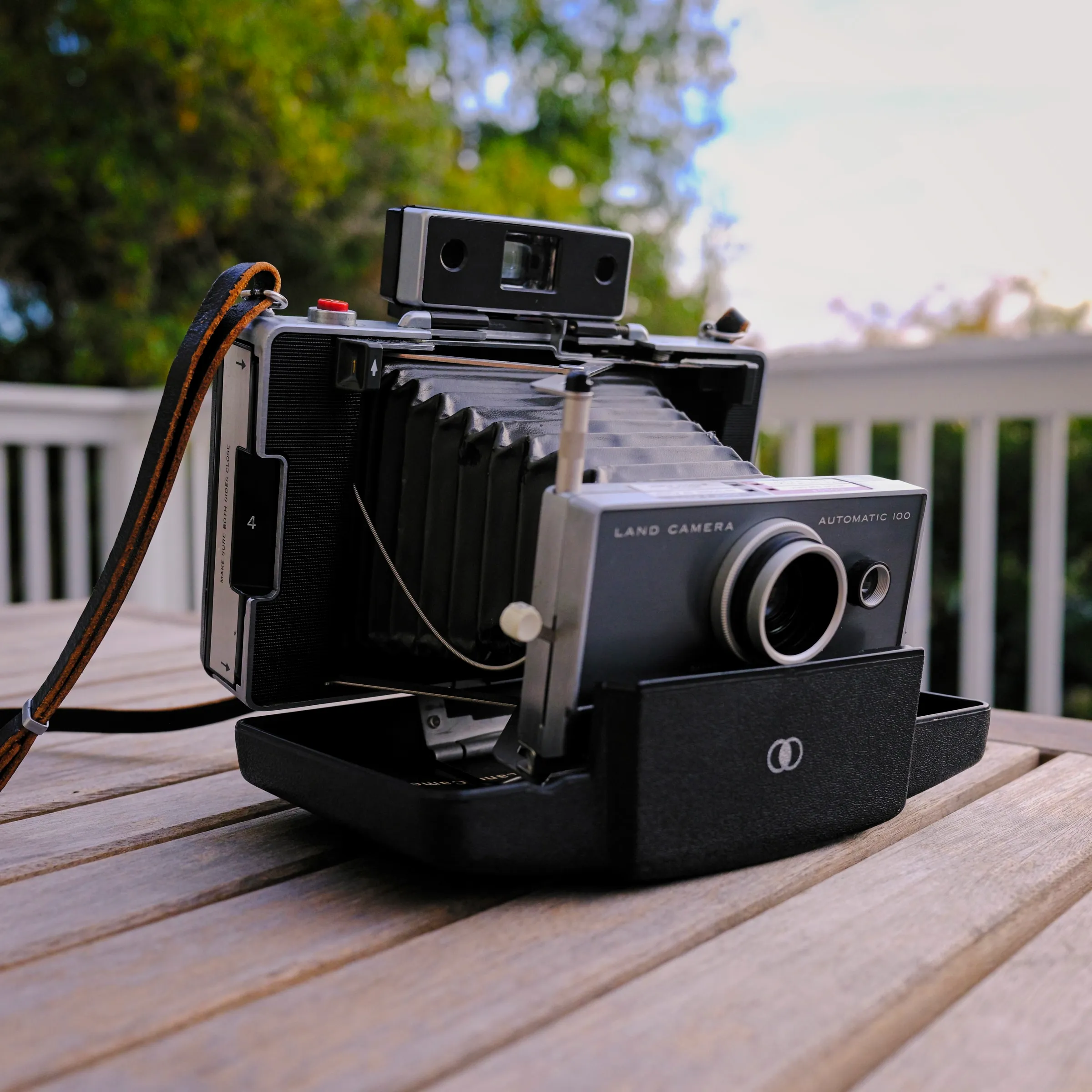 Land Camera, 2026
 All at Once
Ceci n’est pas un Polaroid. It’s a picture of one, of course.
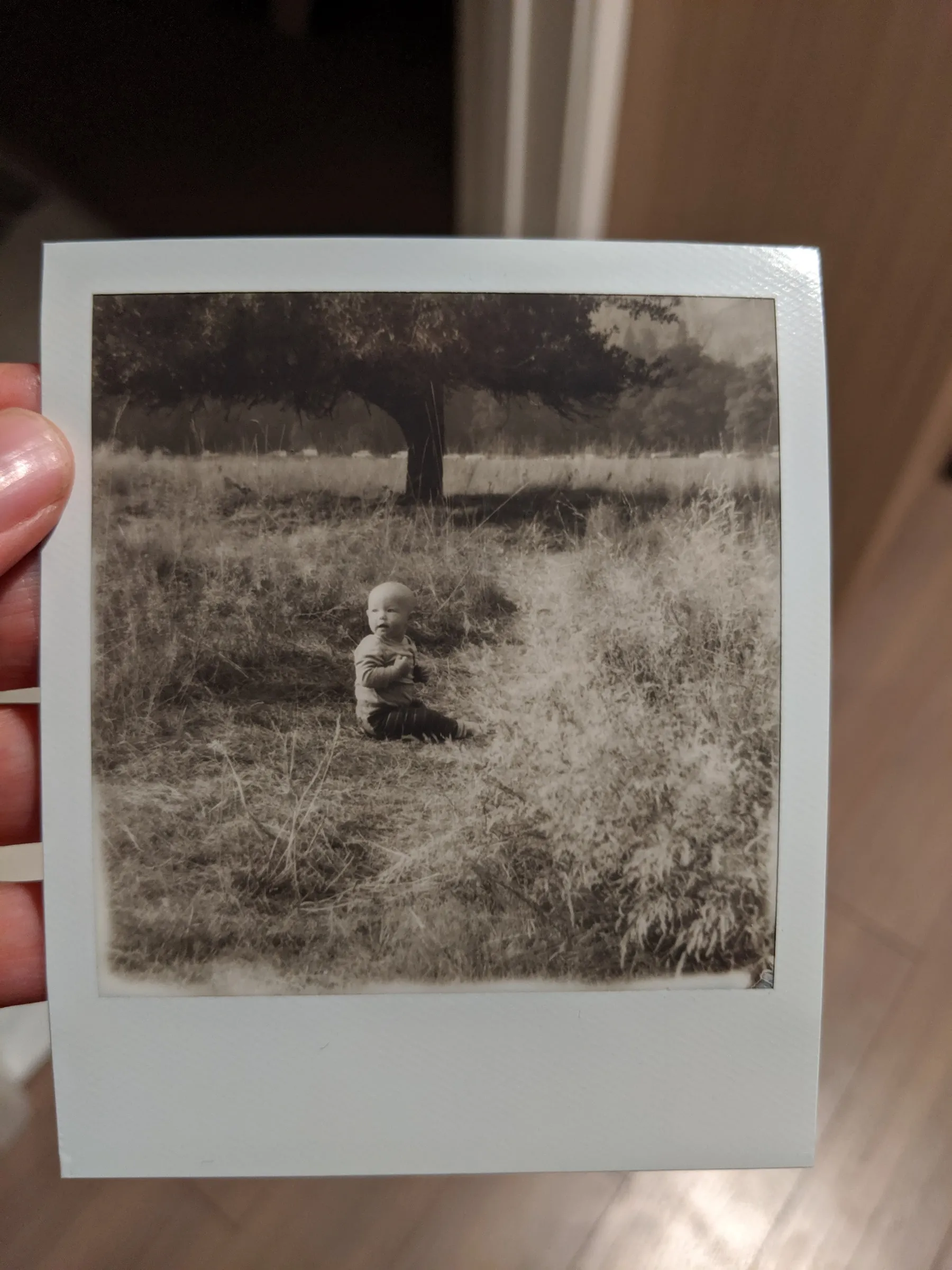
I really loved peel-apart film. Fuji FP-3000B in particular, in a comically old-fashioned-looking, bellows-y Land Camera. You took the photo and pulled the tab, somewhat carefully, to squeeze the film and chemistry through the rollers. After about a minute you could peel it apart and get a sharp, contrast-y black-and-white photograph, and a toxic, vinegary goop with a theoretically retrievable negative.
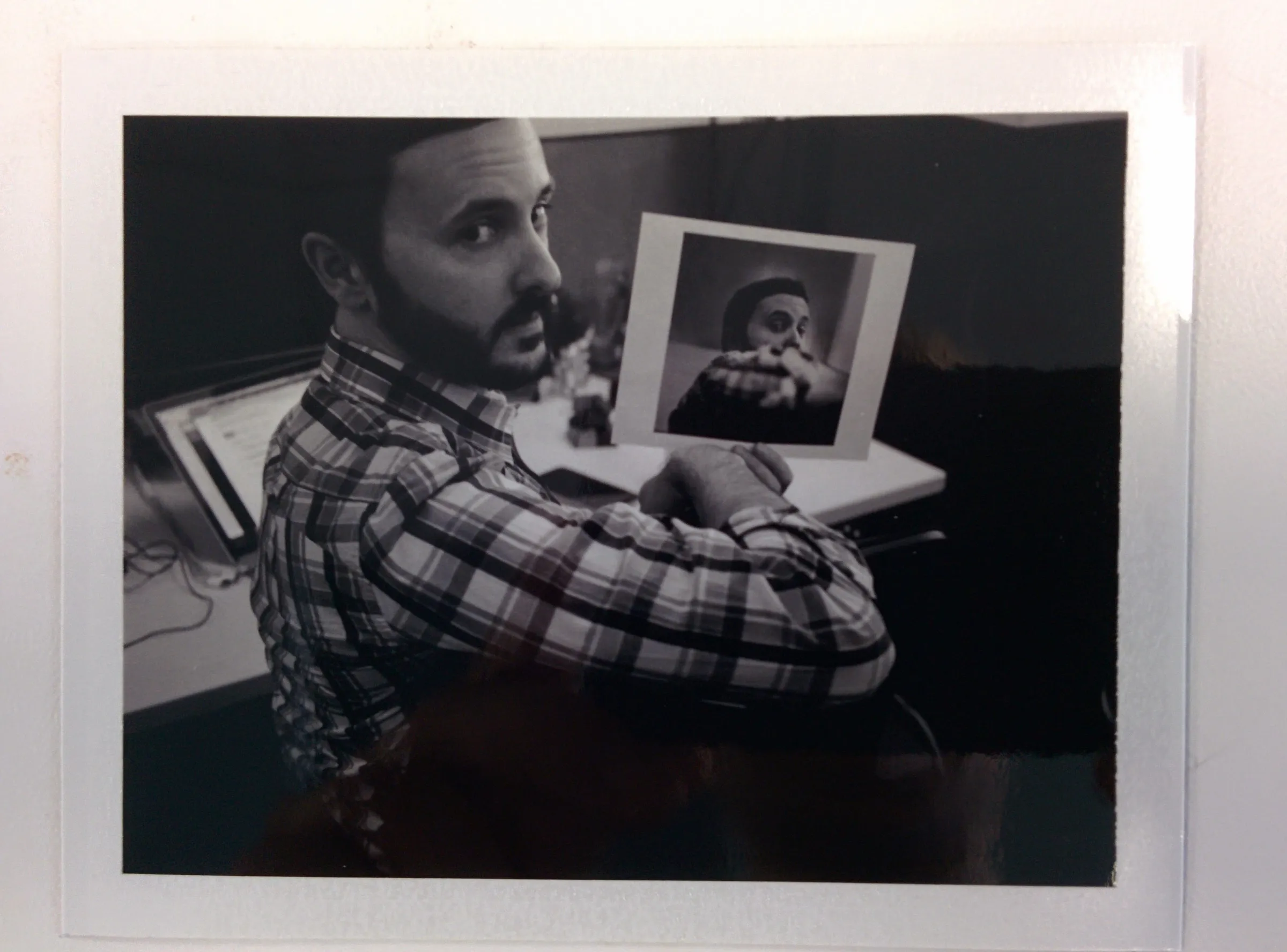
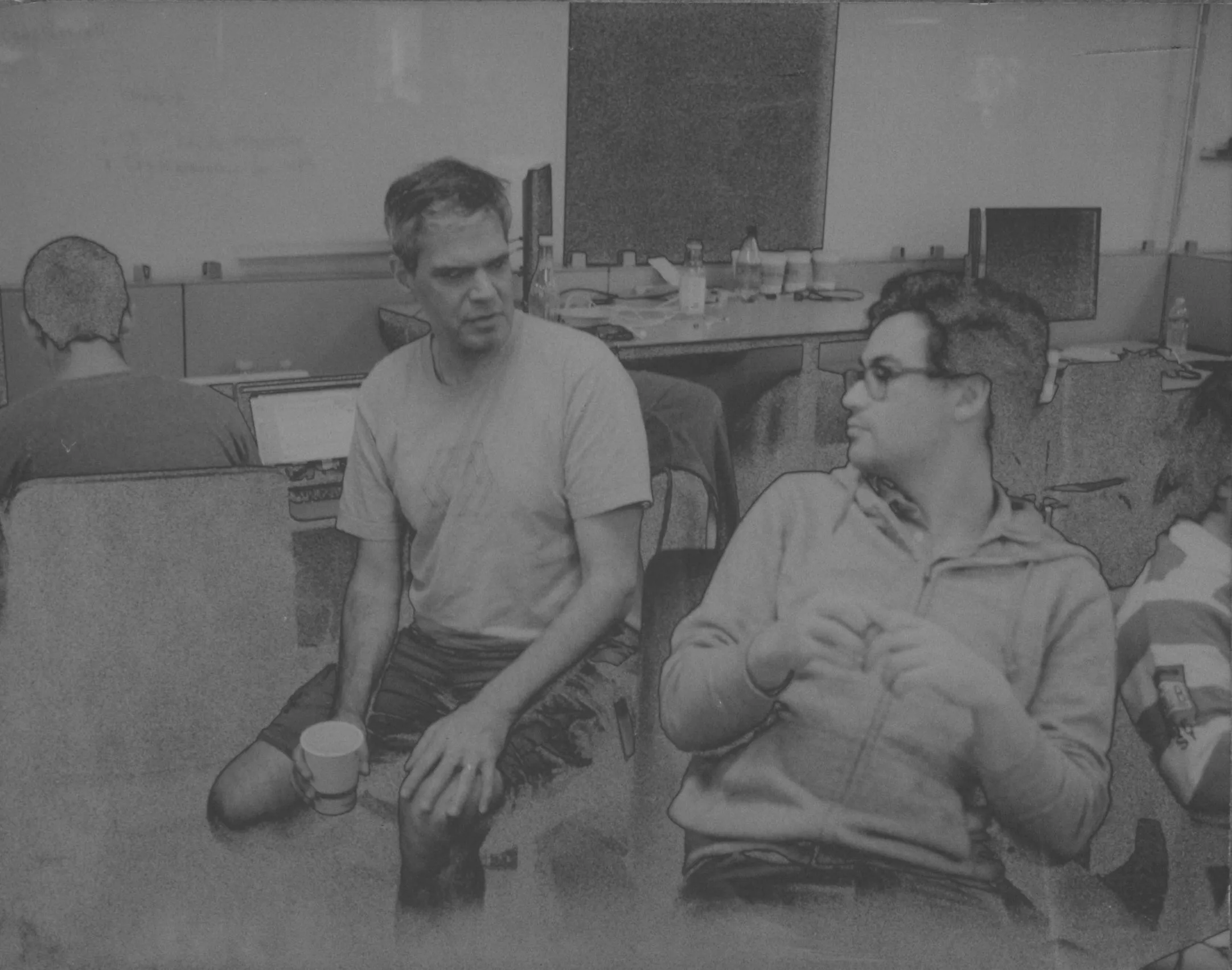
I enjoyed the integral formats as well: SX-70, Spectra, 600, and the bland but convenient Instax. Once Polaroid stopped producing film, their cameras showed up in second-hand stores for small amounts. I once got a police-kit Spectra, designed for documenting evidence at crime scenes. It had a hood that clipped over the lens and flash, for consistent exposures.
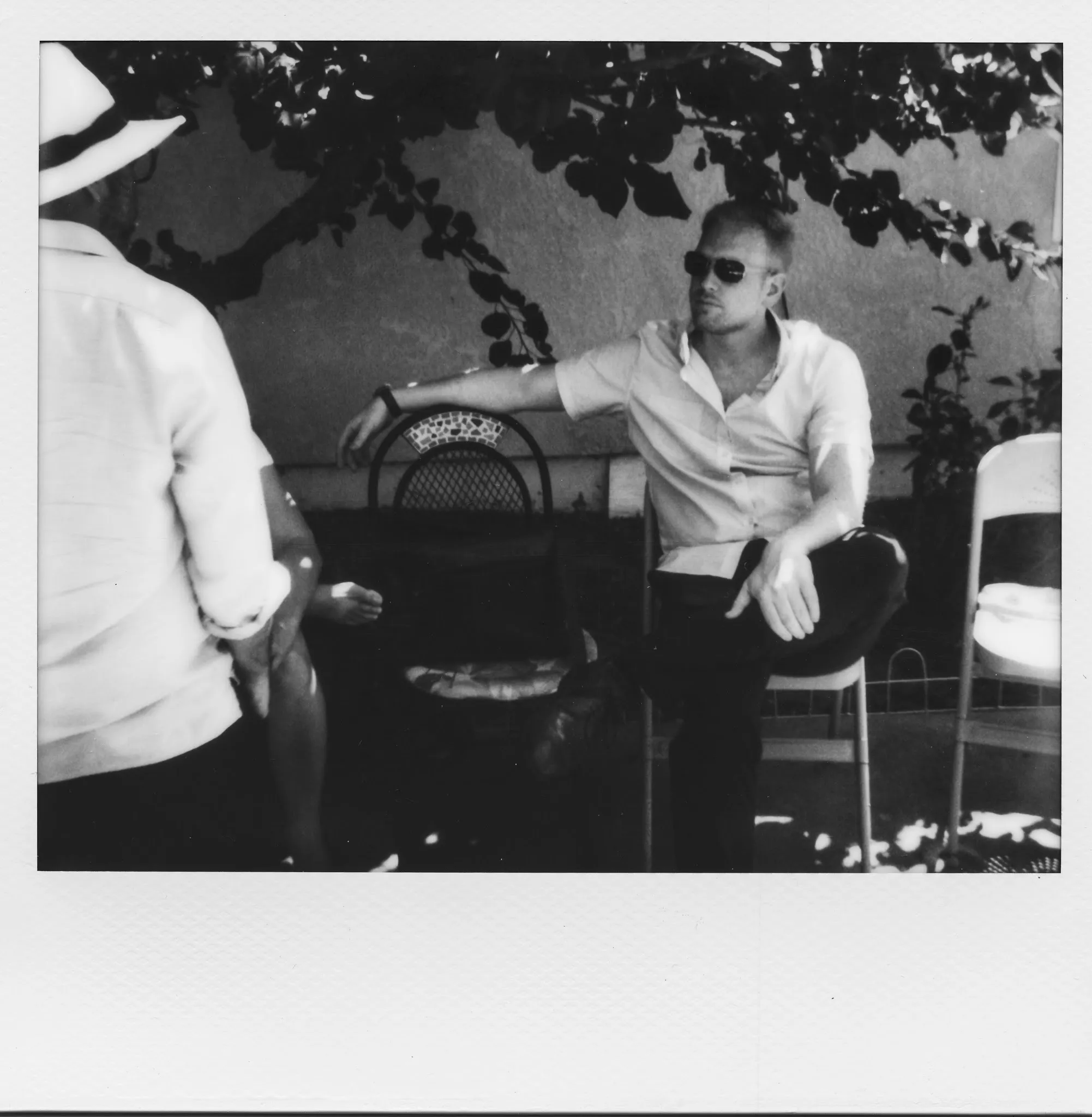
The Impossible Project purchased the Polaroid facility in Enschede and started producing film. It was, and remains (as Polaroid Originals, and now just Polaroid), somewhat inconsistent.
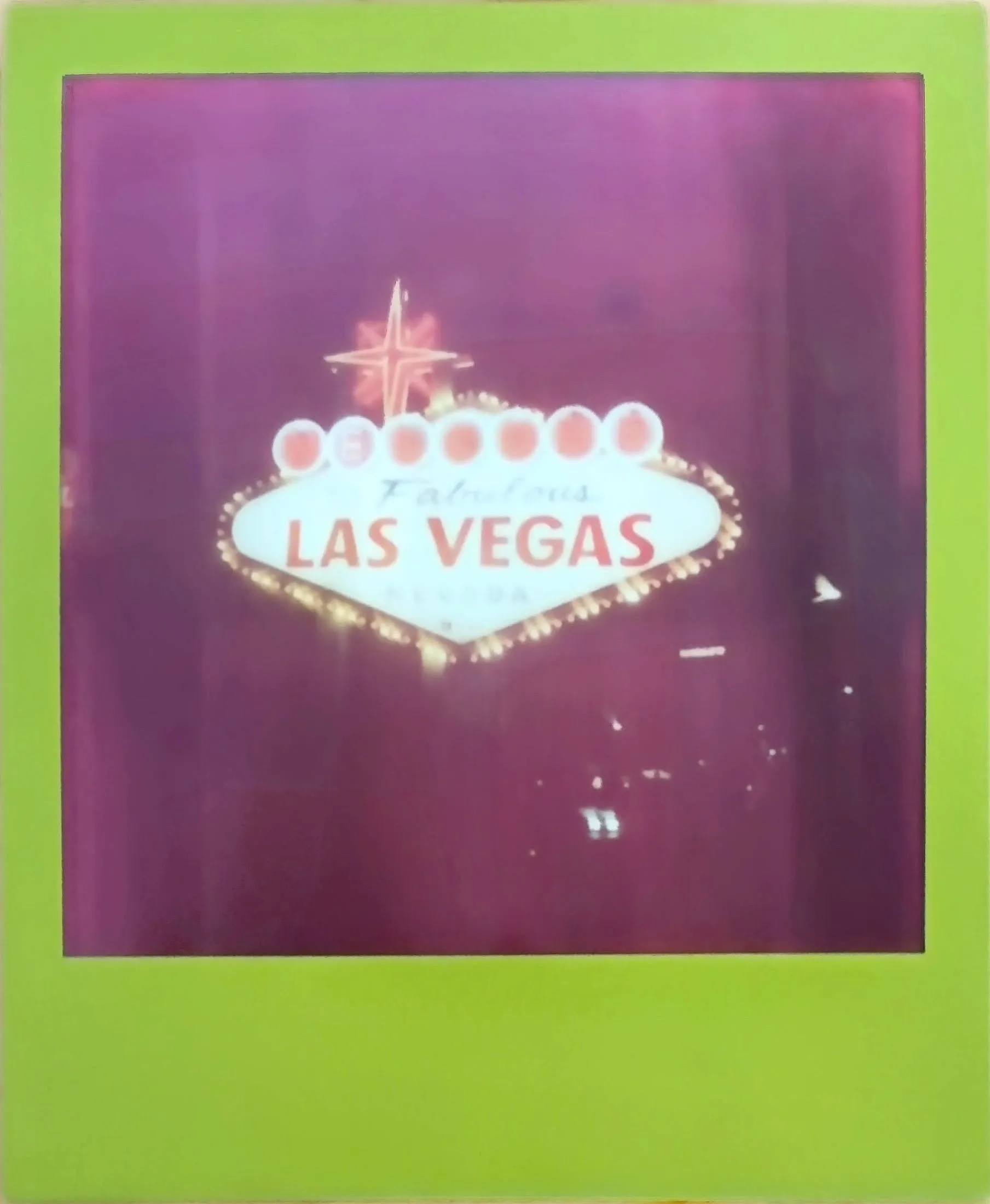
At our wedding we left cameras and film on the tables. The guests photographed each other, and we got what they got, though we did have to employ my friend Malc to police people sneaking away with their favorites.
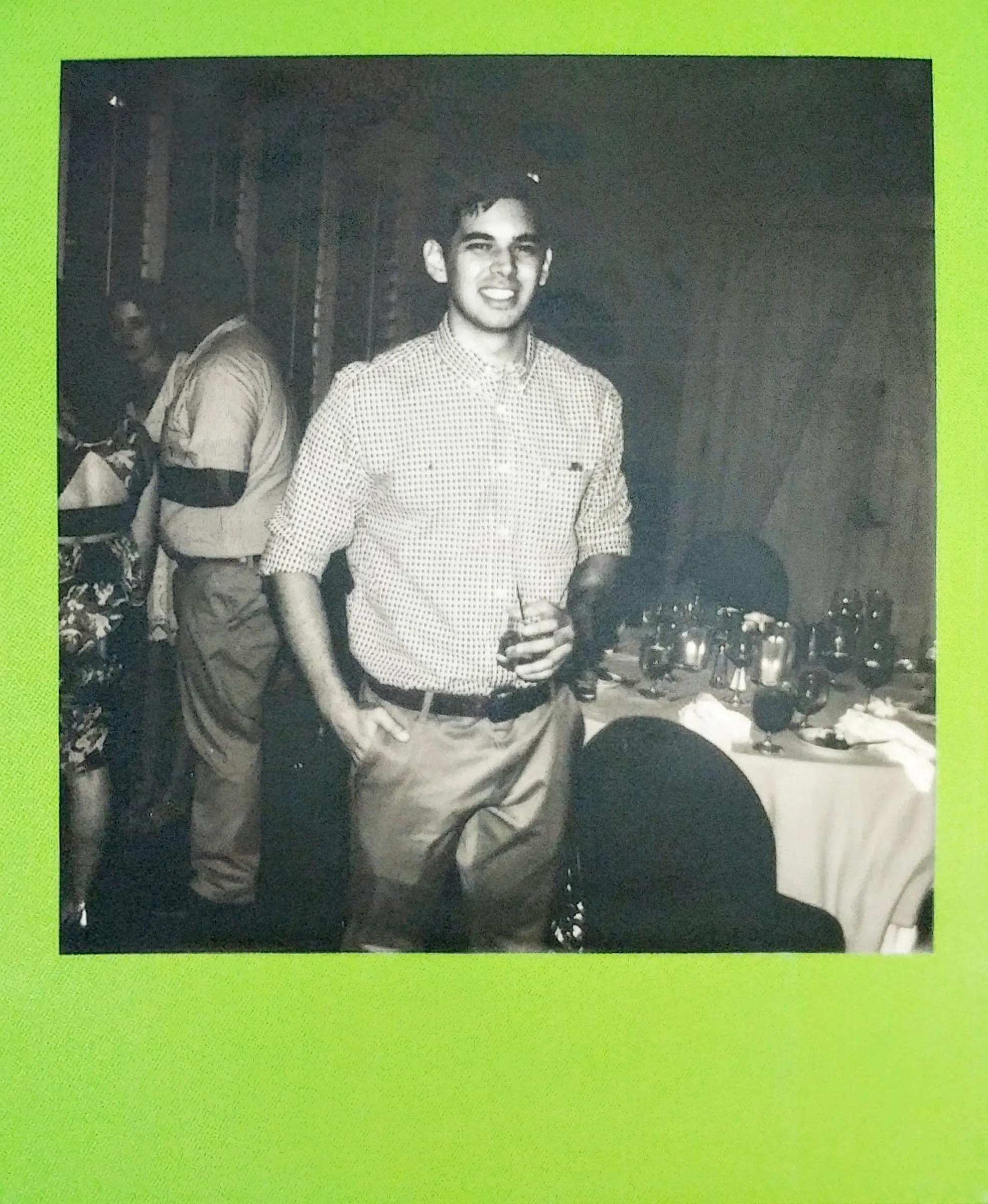
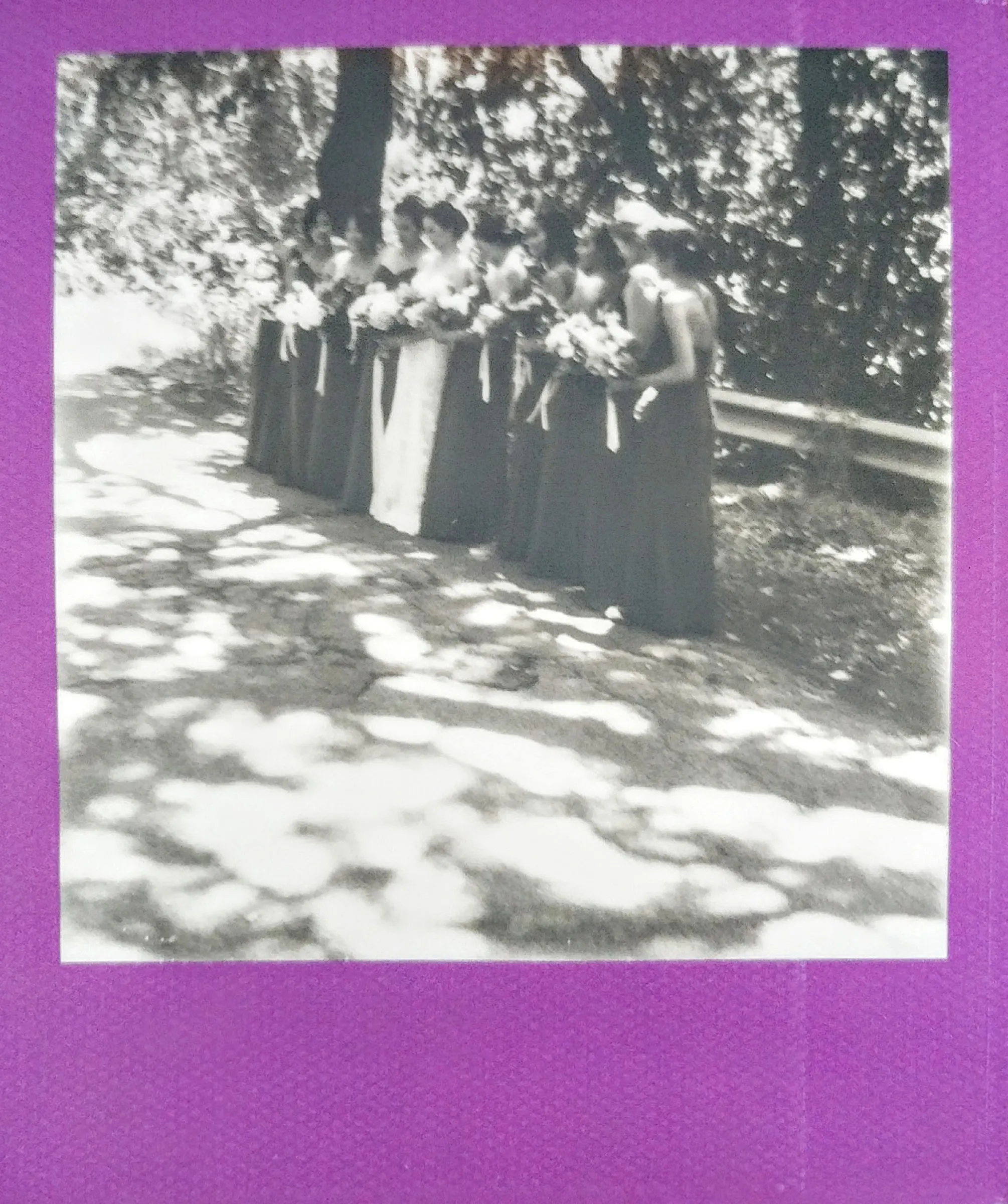
When you take a picture with instant film, you’re done. There’s no Photoshop, no darkroom, nothing else you can do. You get what you get, as a print.
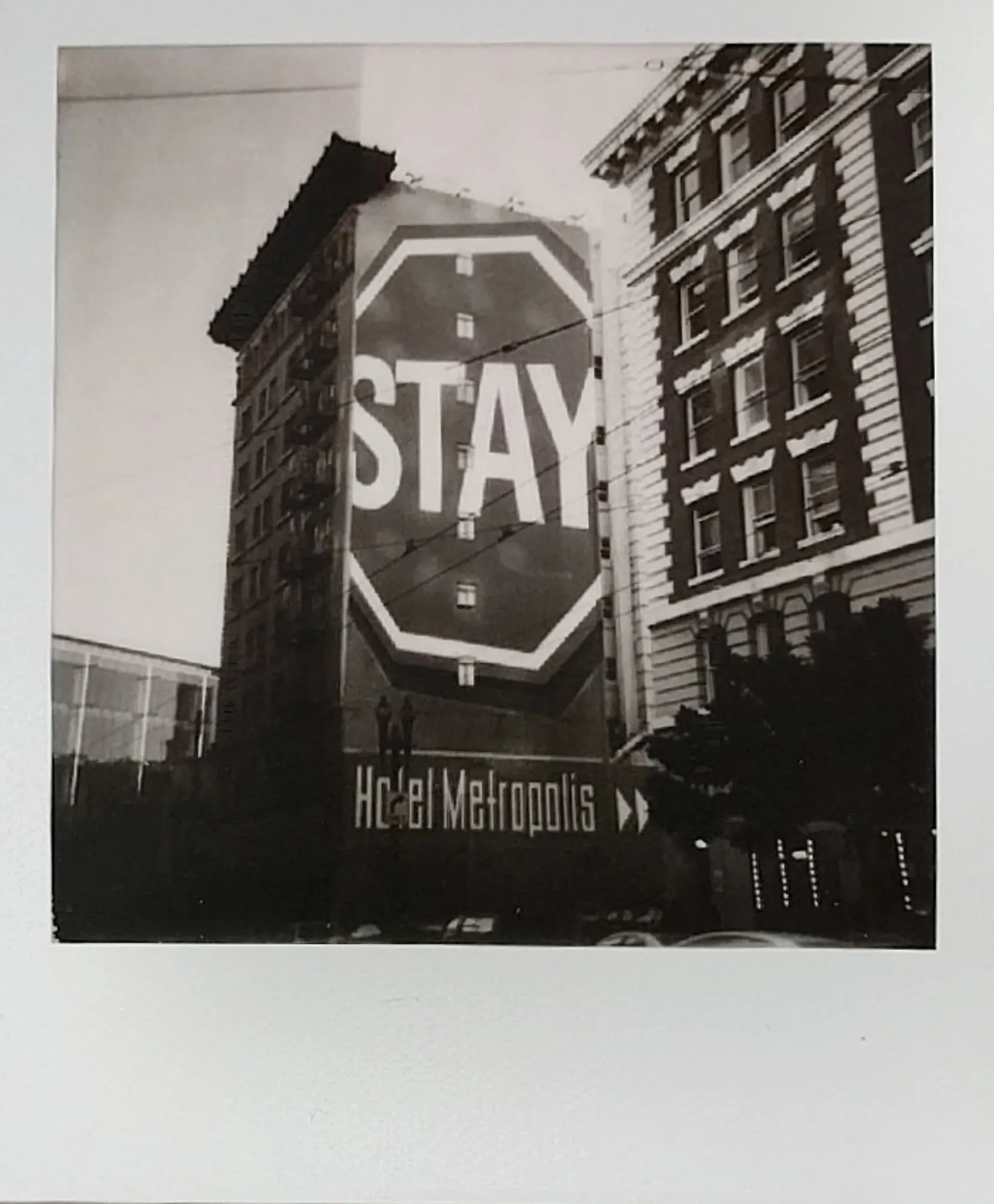
The prints are glossy. Take a picture of them with your phone and you get the picture, and a picture of your phone.
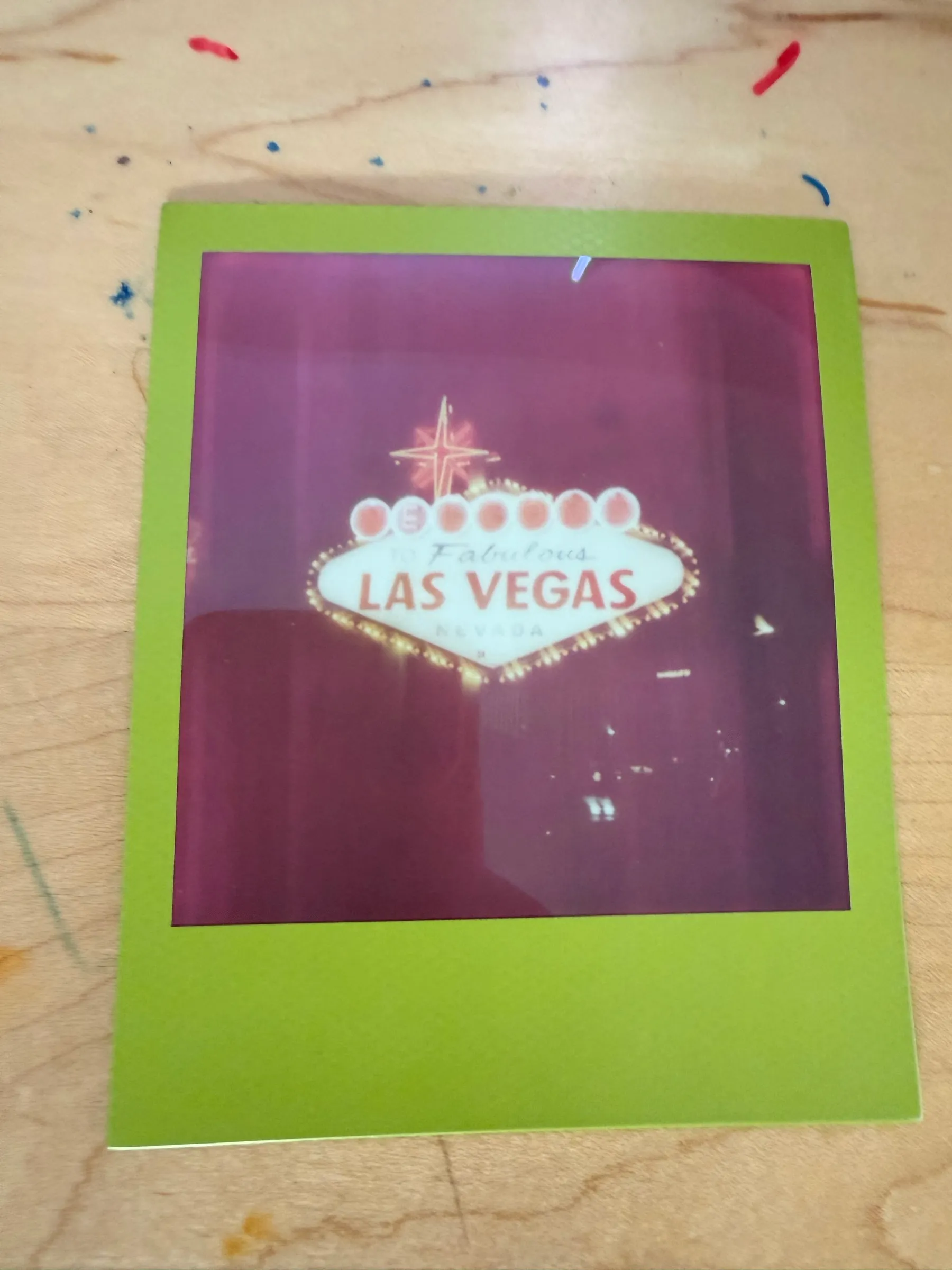
To scan them, I built a thing. You move your phone over the print, the glare slides around, and software stitches together a version where it’s gone, and you have a picture of the picture.
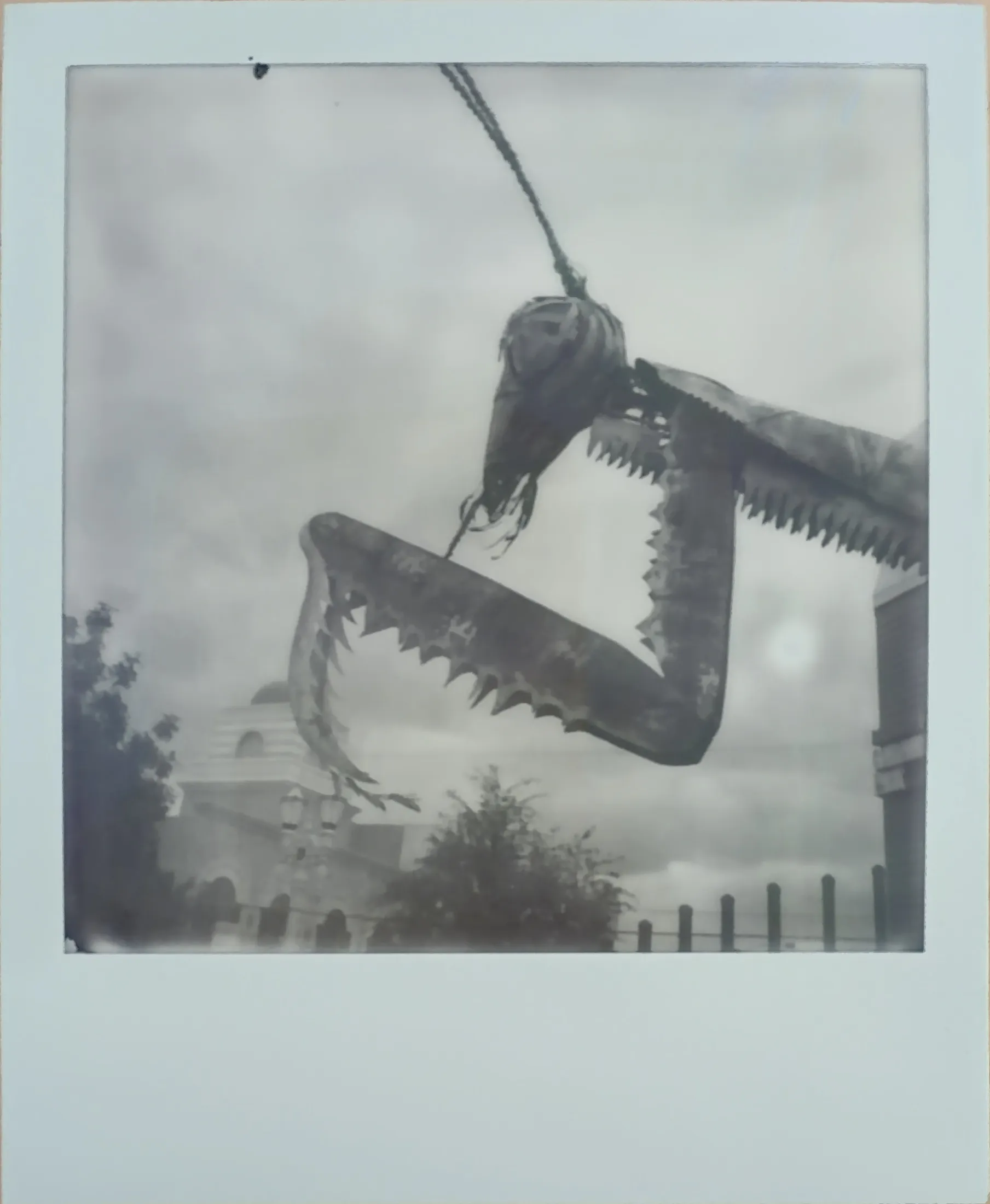
This was fussy, despite the fact I delegated all the actual work to Claude, and it wasn’t till it was done that I asked myself exactly why I was doing this. The joy of Polaroid, for me, is that it is done, all at once. But still, you weren’t there, and I wanted you to see some of them.
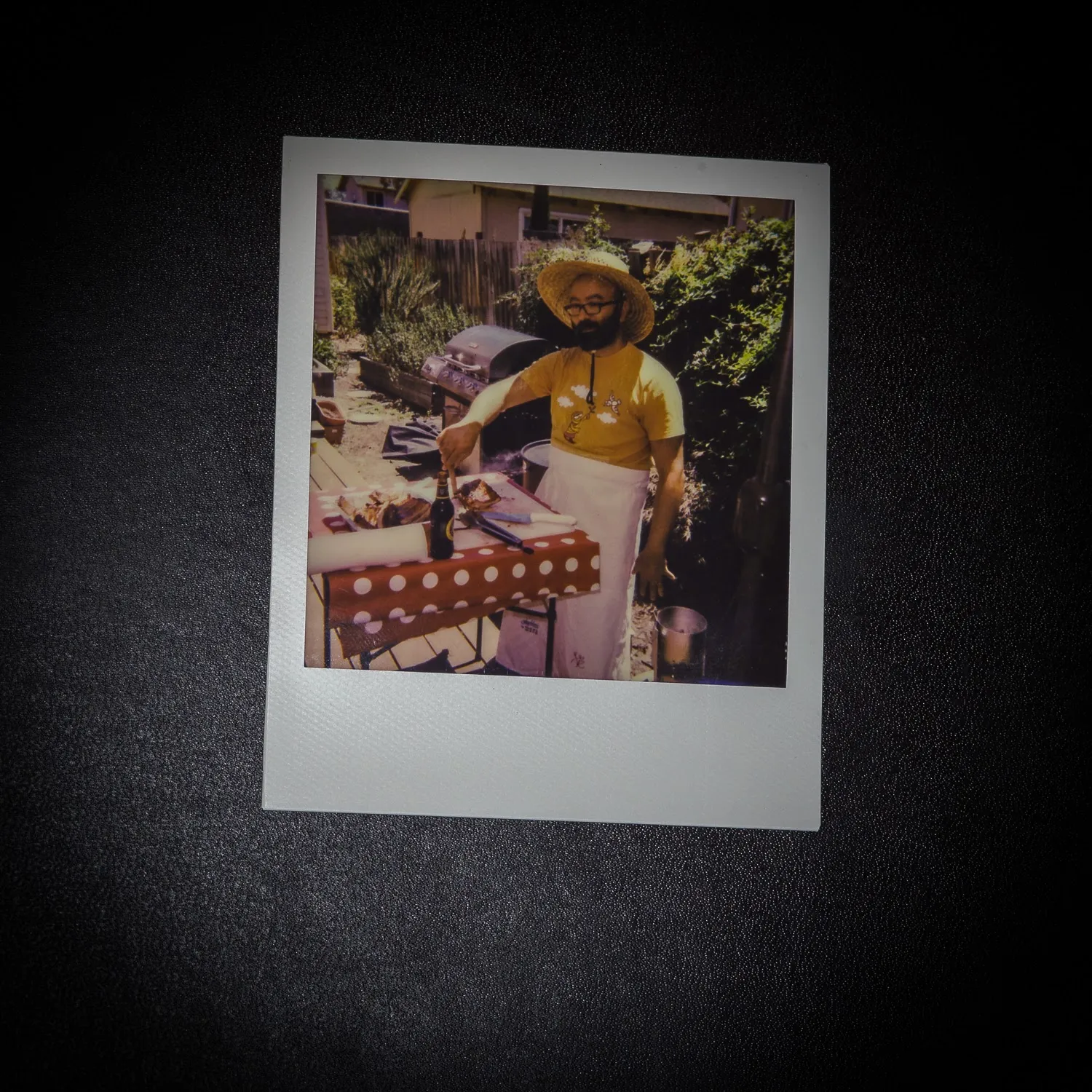
You can do this the other way round. Polaroid make a device that lets you print your phone photos on instant film. Fuji have the same thing for their Instax. Conceptually, I could edit and select the best possible photo to print, but then I could just print the photo.
A medium is, in the end, just a set of premade choices. And sometimes, the reason something exists is that it’s what was there at that moment.
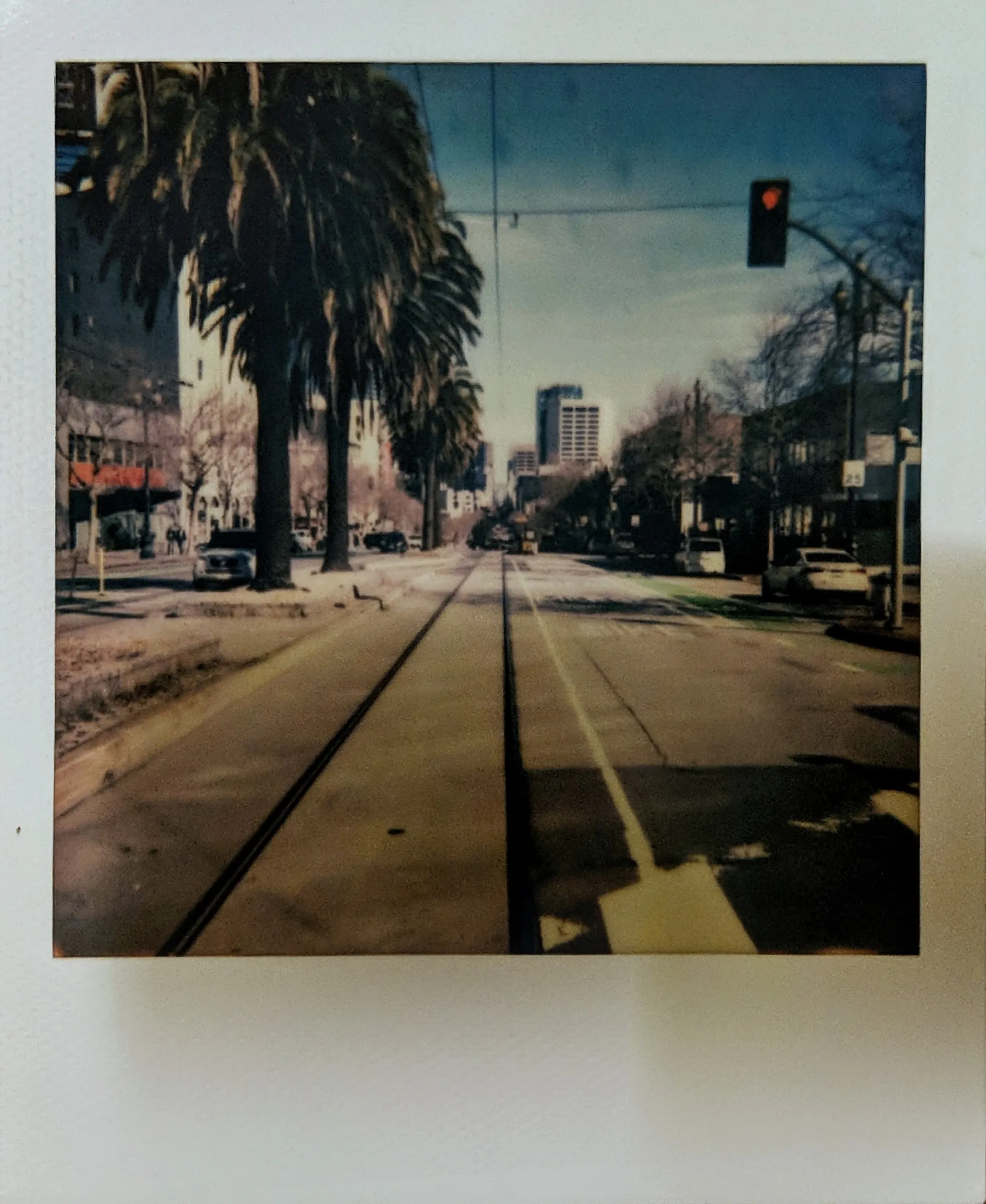
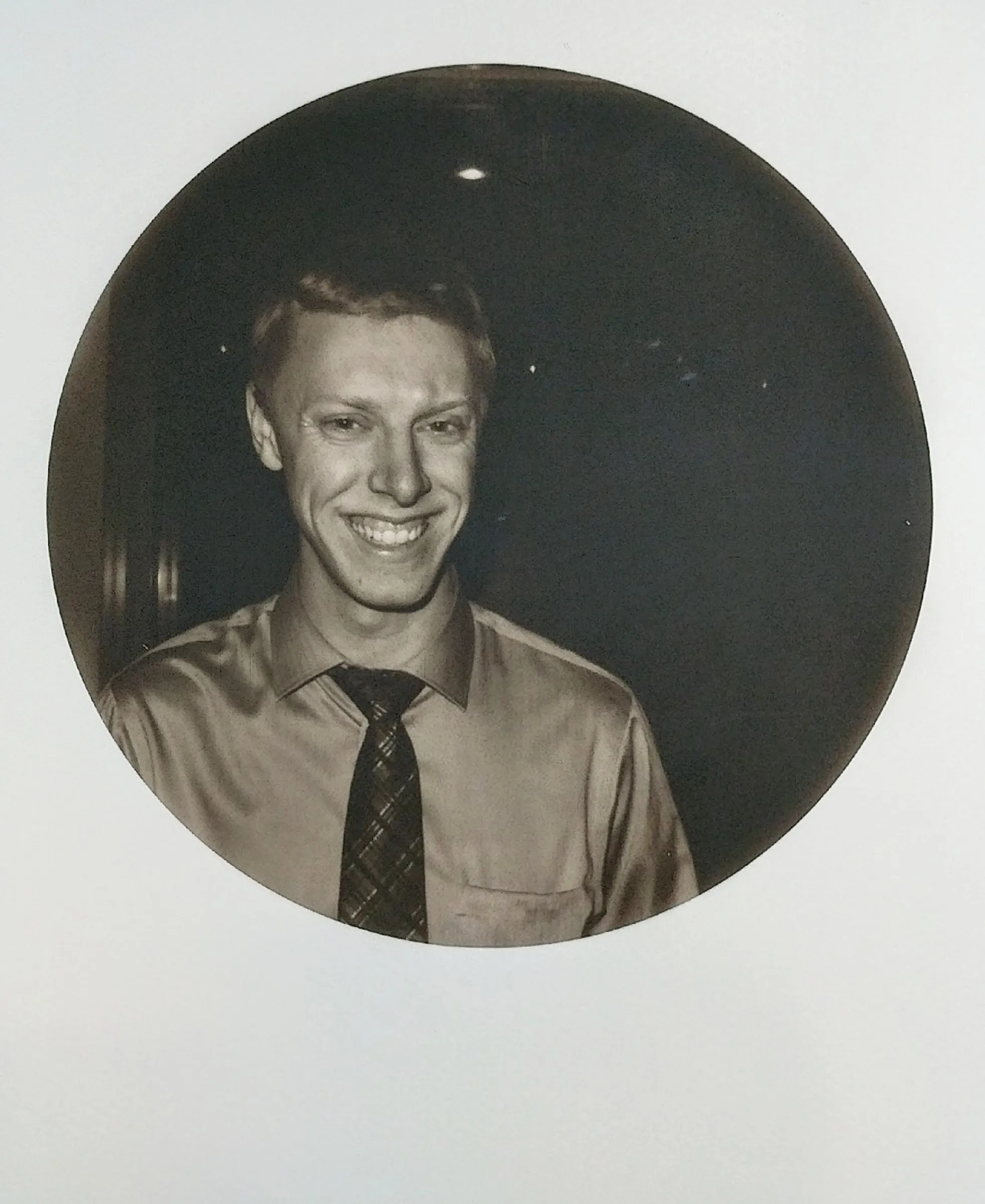
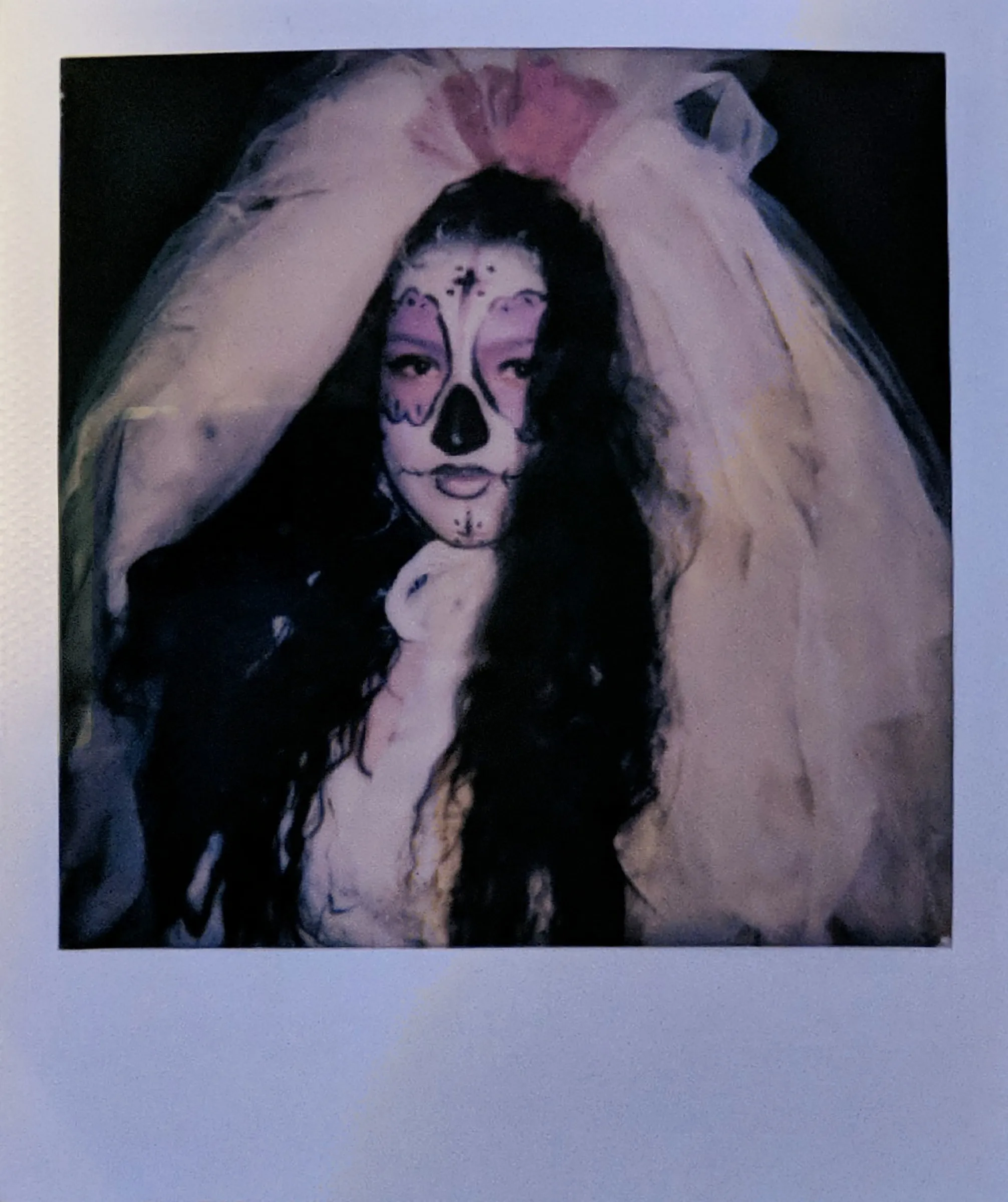
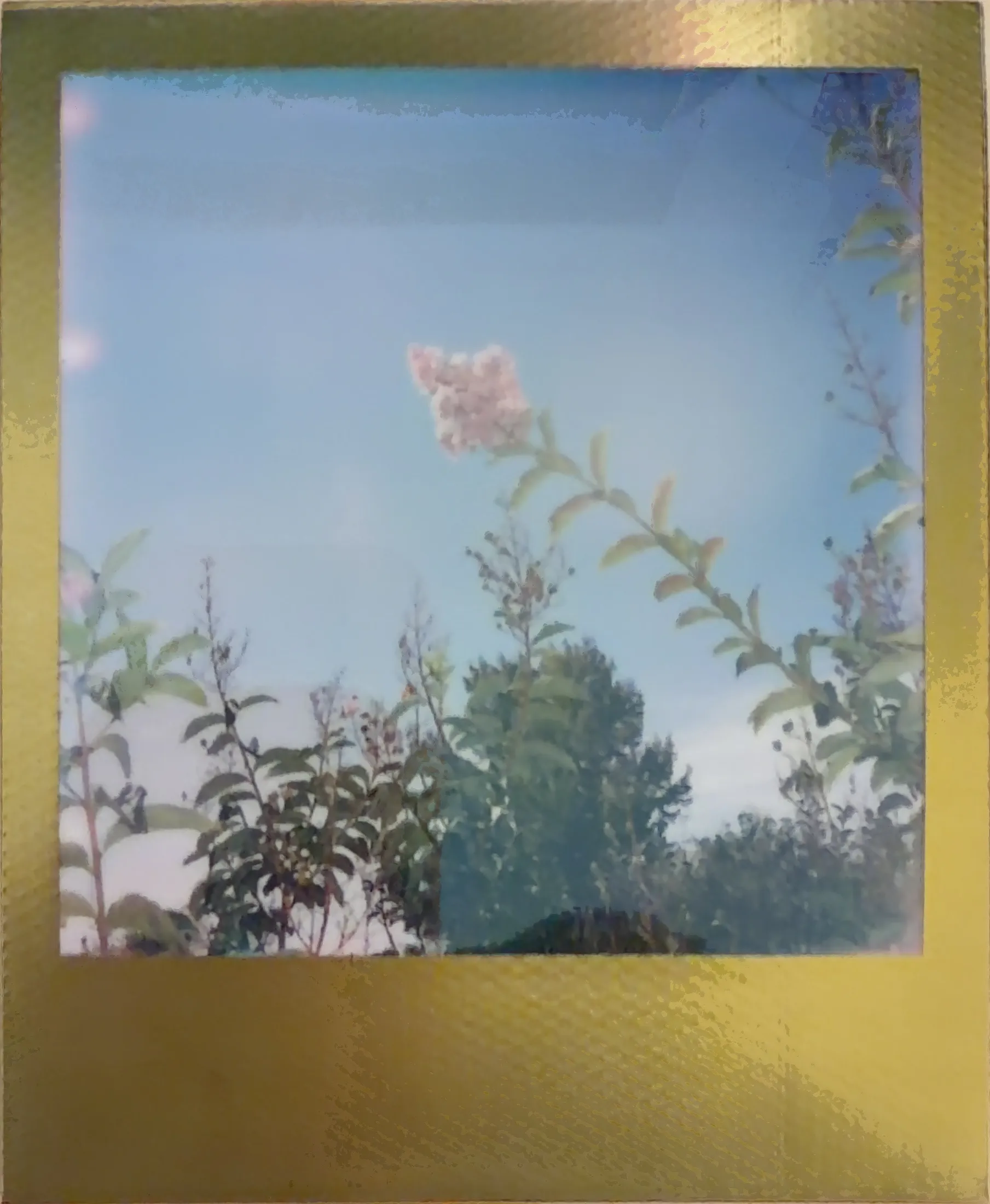
So, these are some polaroids.